In today's fast paced manufacturing environment, maintaining operational excellence requires real time visibility, efficient resource management, and seamless coordination across the shop floor. A Manufacturing Execution System (MES) serves as the digital backbone that connects enterprise resource planning (ERP) systems with the actual production processes, providing the critical link between planning and execution.
Modern MES solutions have evolved far beyond simple shop floor data collection. They now offer comprehensive functionality that spans production scheduling, equipment management, quality control, material tracking, and performance analytics. In this whitepaper, we explore the transformative power of MES and how it enables manufacturers to achieve new levels of efficiency, quality, and agility.
Production Operations Management: Real Time Job Control and Visibility
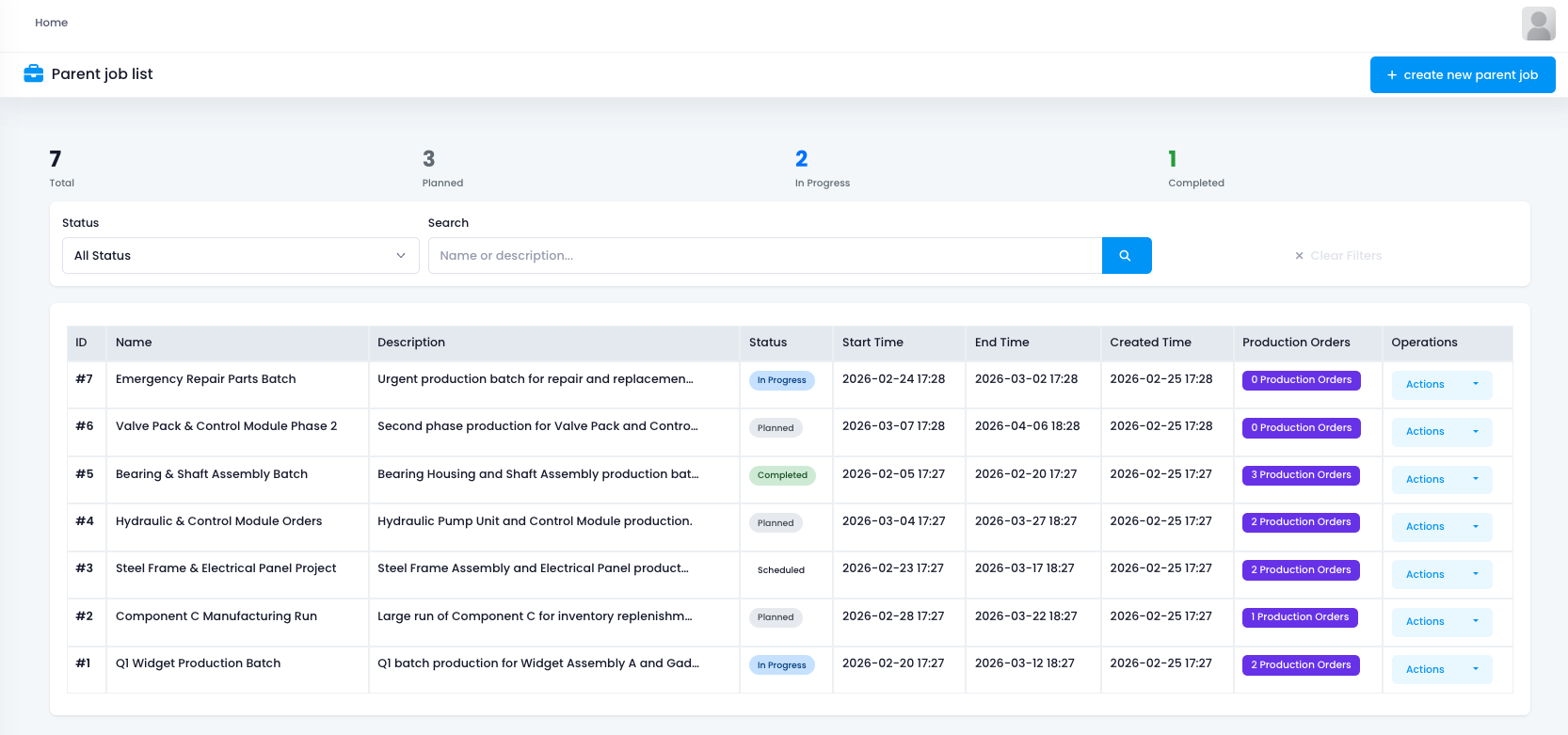
At the core of any MES is robust production operations management, which provides real time visibility into all manufacturing activities. This module serves as the command center for shop floor operations, allowing production managers to monitor job status, track progress, and make informed decisions based on actual production data.
Modern MES systems offer comprehensive job management capabilities, including the ability to create parent jobs, track multiple production orders under a single job, and monitor status across all operations. This level of visibility ensures that production stays on track and that any issues can be identified and addressed immediately.
Equipment Tracking: Asset Management and Maintenance Optimization
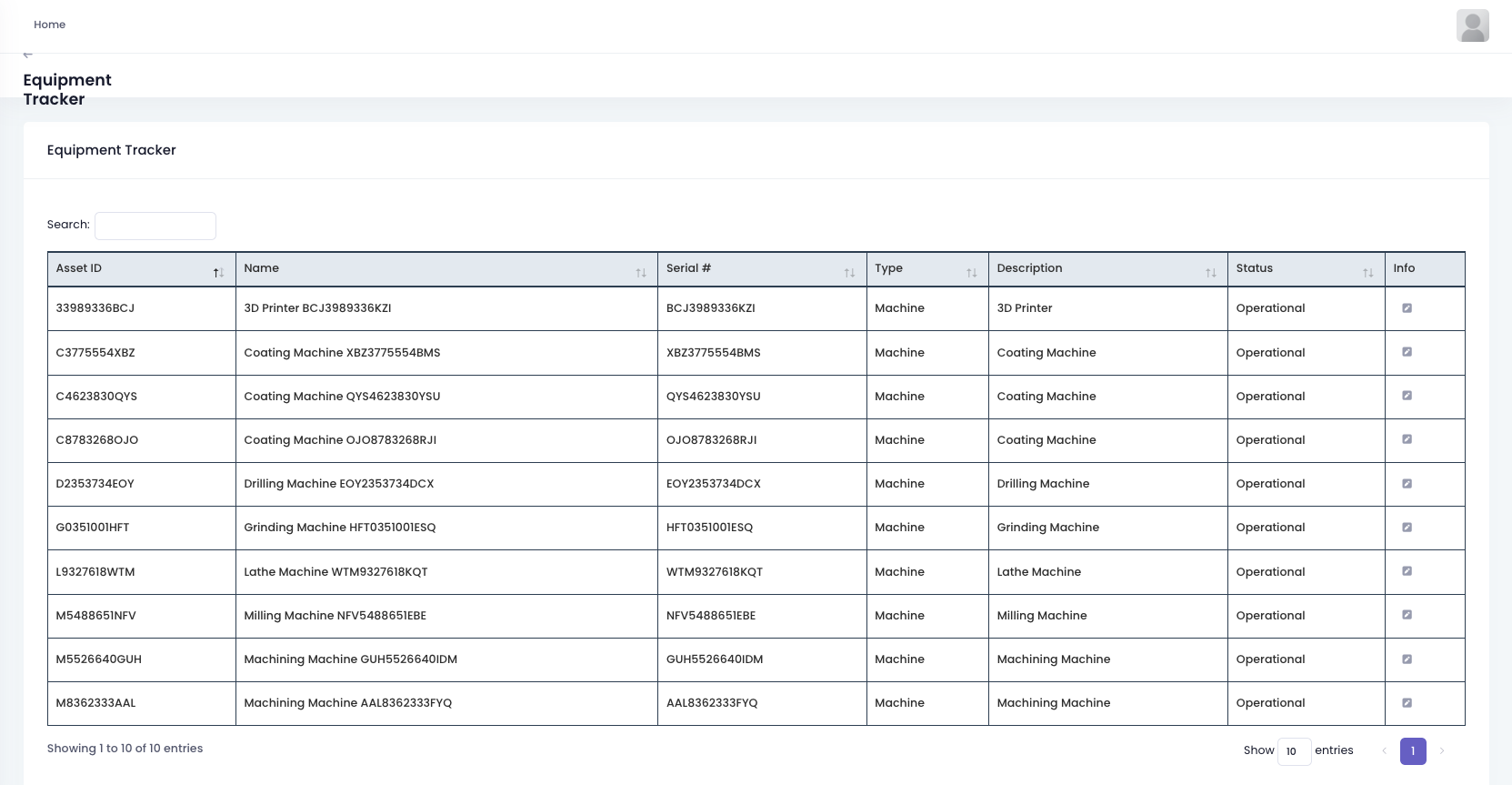
Effective equipment management is critical to maintaining production efficiency and minimizing downtime. MES systems provide comprehensive equipment tracking functionality that enables manufacturers to monitor the status, performance, and maintenance needs of all production assets.
With equipment tracking, manufacturers can maintain a complete inventory of all production equipment, track operational status in real time, and schedule preventive maintenance based on actual usage data. This proactive approach to maintenance helps to minimize unplanned downtime and extend the life of production equipment.
Process Parameter Monitoring: Quality Control and Process Optimization
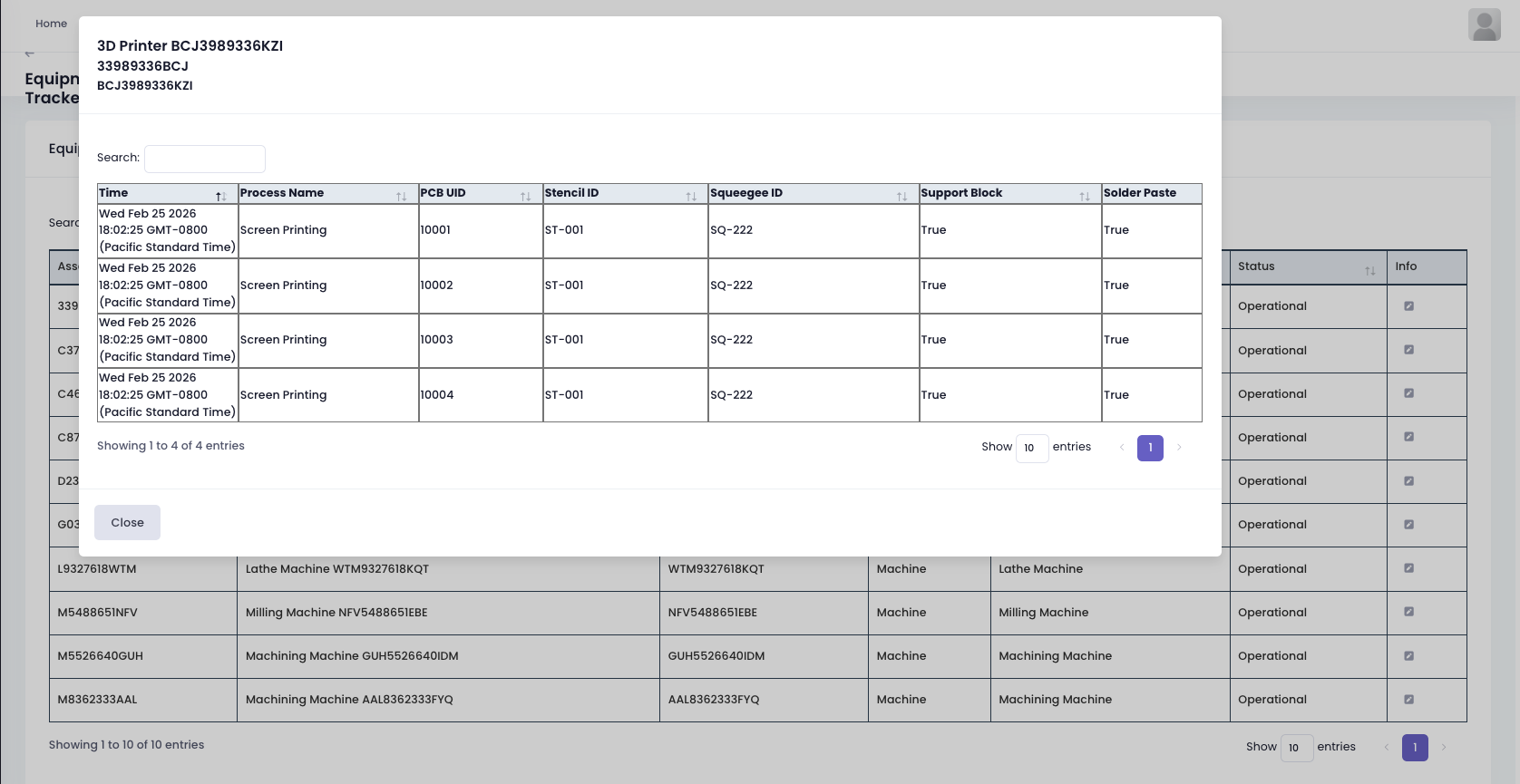
Maintaining consistent product quality requires tight control over production processes. MES systems offer sophisticated process parameter monitoring capabilities that enable real time tracking of critical process variables and immediate response to any deviations from established standards.
Process parameter monitoring allows manufacturers to collect and analyze data from production equipment, verify that processes are operating within specified parameters, and automatically alert operators to any issues. This level of control ensures that products meet quality standards and that production processes are optimized for efficiency.
Bill of Materials Management: Material Planning and Cost Control
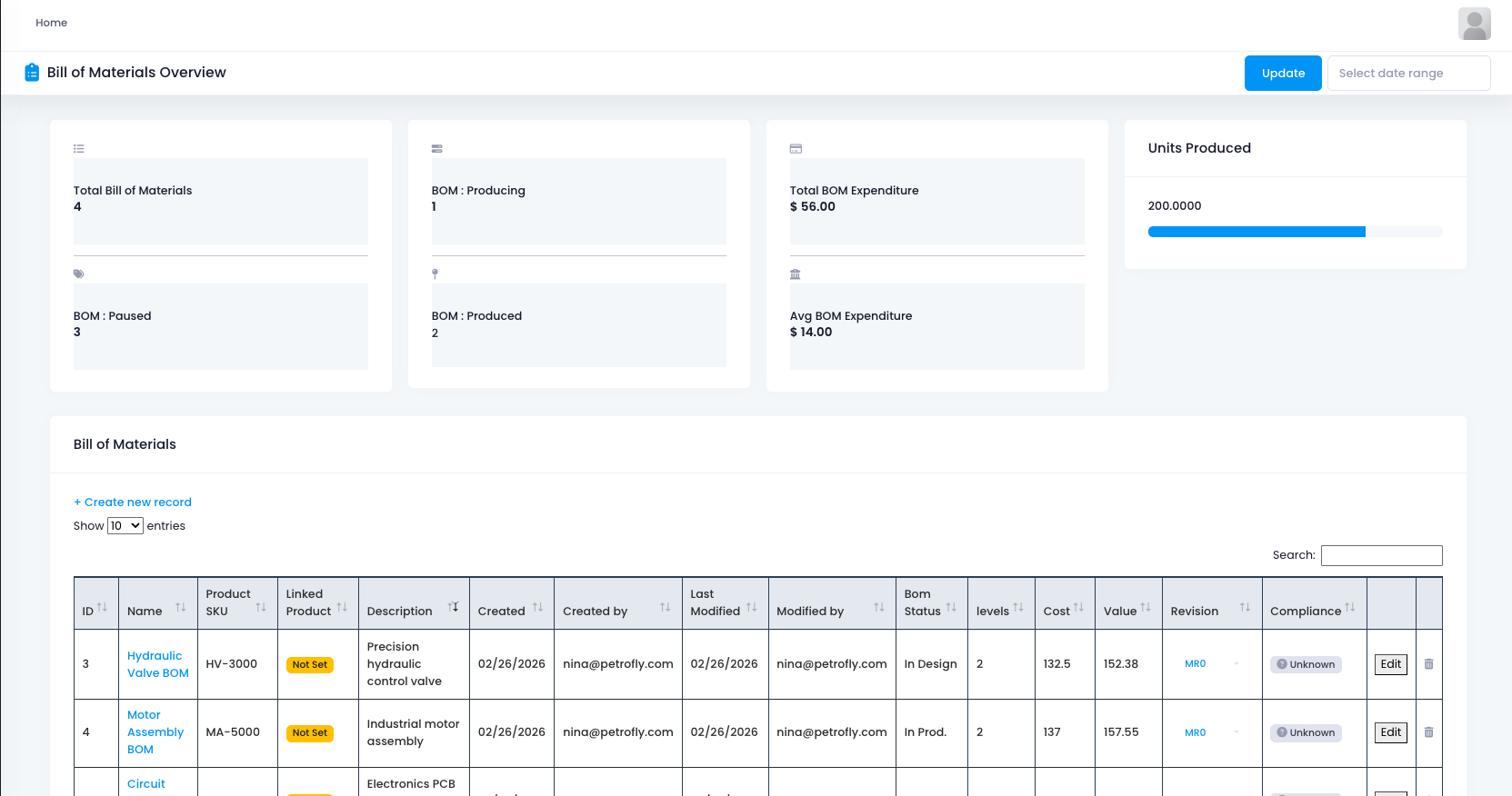
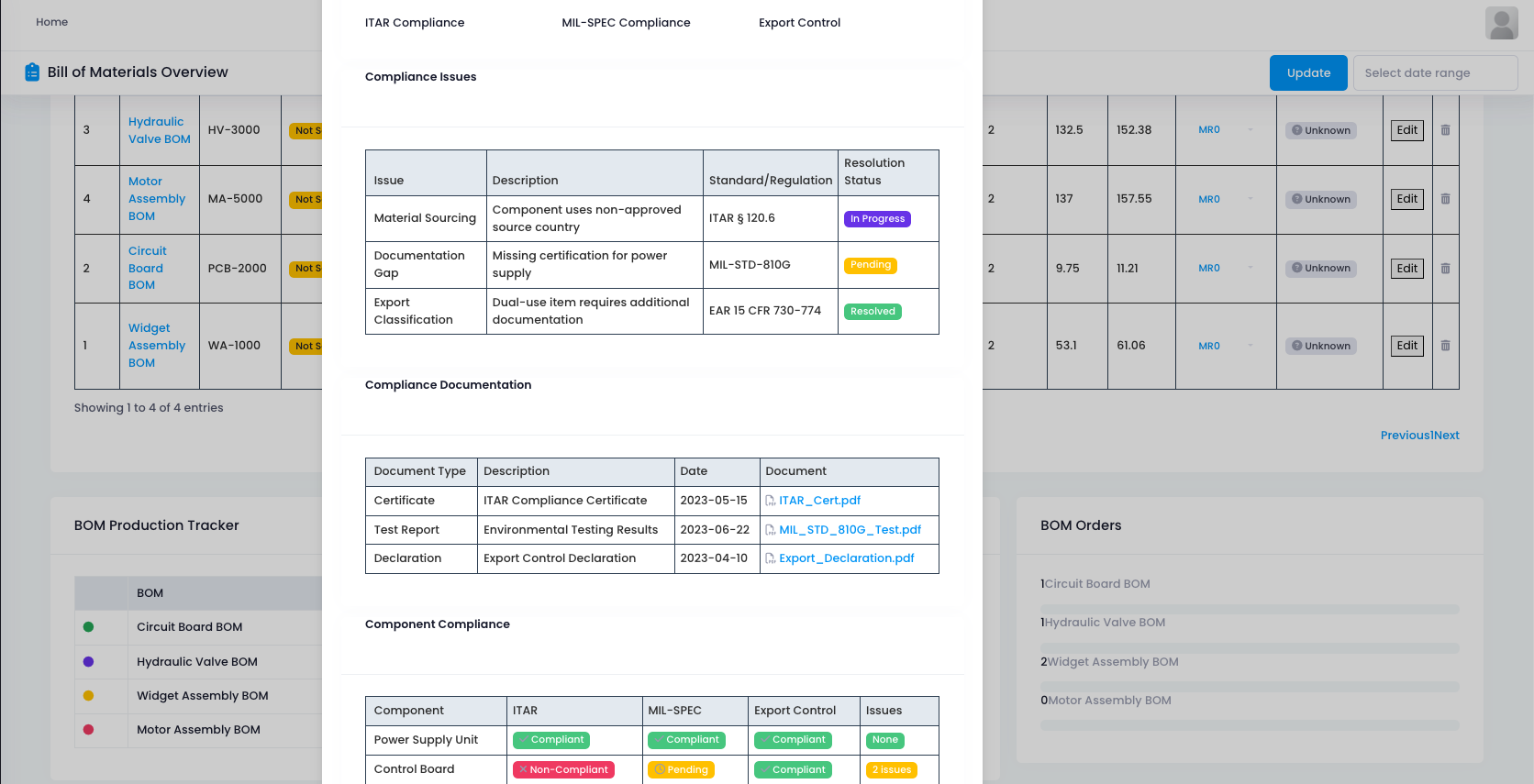
Effective material management is essential to controlling production costs and ensuring that materials are available when needed. MES systems provide comprehensive Bill of Materials (BOM) management functionality that enables manufacturers to track material requirements, monitor usage, and control costs.
With BOM management, manufacturers can create and maintain detailed material lists for each product, track material availability and usage, and analyze material costs. This level of control helps to minimize material waste, reduce inventory carrying costs, and ensure that production is not delayed due to material shortages.
Production Execution Details: Detailed Operation Tracking and Analysis
To truly optimize production, manufacturers need detailed visibility into every aspect of the production process. MES systems provide comprehensive production execution details that enable manufacturers to track operations at the most granular level, analyze performance, and identify opportunities for improvement.
Production execution details include information about each operation, including start and end times, resources used, materials consumed, and quality results. This level of detail enables manufacturers to analyze production performance, identify bottlenecks, and implement process improvements.
Key Benefits of Modern MES Implementation
- Real Time Visibility: Complete transparency into all production activities, enabling informed decision making.
- Increased Efficiency: Streamlined processes, reduced downtime, and optimized resource utilization.
- Improved Quality: Proactive quality control and process monitoring to ensure consistent product quality.
- Enhanced Traceability: Comprehensive tracking of materials, processes, and products throughout the production lifecycle.
- Better Decision Making: Data driven insights and analytics to identify improvement opportunities.
- Regulatory Compliance: Automated documentation and audit trails to meet industry standards.
Conclusion: The Future of Manufacturing is Digital
As manufacturing continues to evolve in the digital age, MES has emerged as a critical technology for achieving operational excellence. By providing real time visibility, streamlining processes, and enabling data driven decision making, MES systems empower manufacturers to compete in an increasingly complex and competitive global marketplace.
The modern MES solutions we've explored in this whitepaper represent a significant advancement over traditional shop floor systems. They offer comprehensive functionality that spans the entire manufacturing process, from production planning to final quality inspection.
By implementing a modern MES, manufacturers can achieve new levels of efficiency, quality, and agility. They can respond more quickly to changing market demands, reduce production costs, and deliver higher quality products to their customers.
In conclusion, the Manufacturing Execution System is not just a tool for shop floor management, it's a strategic investment that can transform manufacturing operations and drive business success in the digital age.