When ERP Becomes an Operating Structure, Not Just a System

Summary
×Companies do not lack software. What they often lack is an operating structure that keeps processes, data, people, and decisions aligned.
ERP has long been viewed as a back-office system for orders, inventory, purchasing, finance, and production records. But in a faster and more complex business environment, the role of ERP is changing. It should not only record what happened. It should help organizations understand how the business is running and what should be adjusted next.
From Recordkeeping Tool to Operating Backbone
Traditional ERP is built around records. Orders are entered after completion, inventory is updated after movement, and financial results are summarized after a period closes. But the real problems inside a business often appear during the process, not after the result.
When customer demand changes, can planning adjust quickly. When inventory becomes abnormal, can purchasing and sales see the same signal. When production is delayed, can finance and delivery teams understand the impact early.
Modern ERP needs to play a deeper role. It is not only a recordkeeper after the work is done. It is a coordinator while the work is happening.
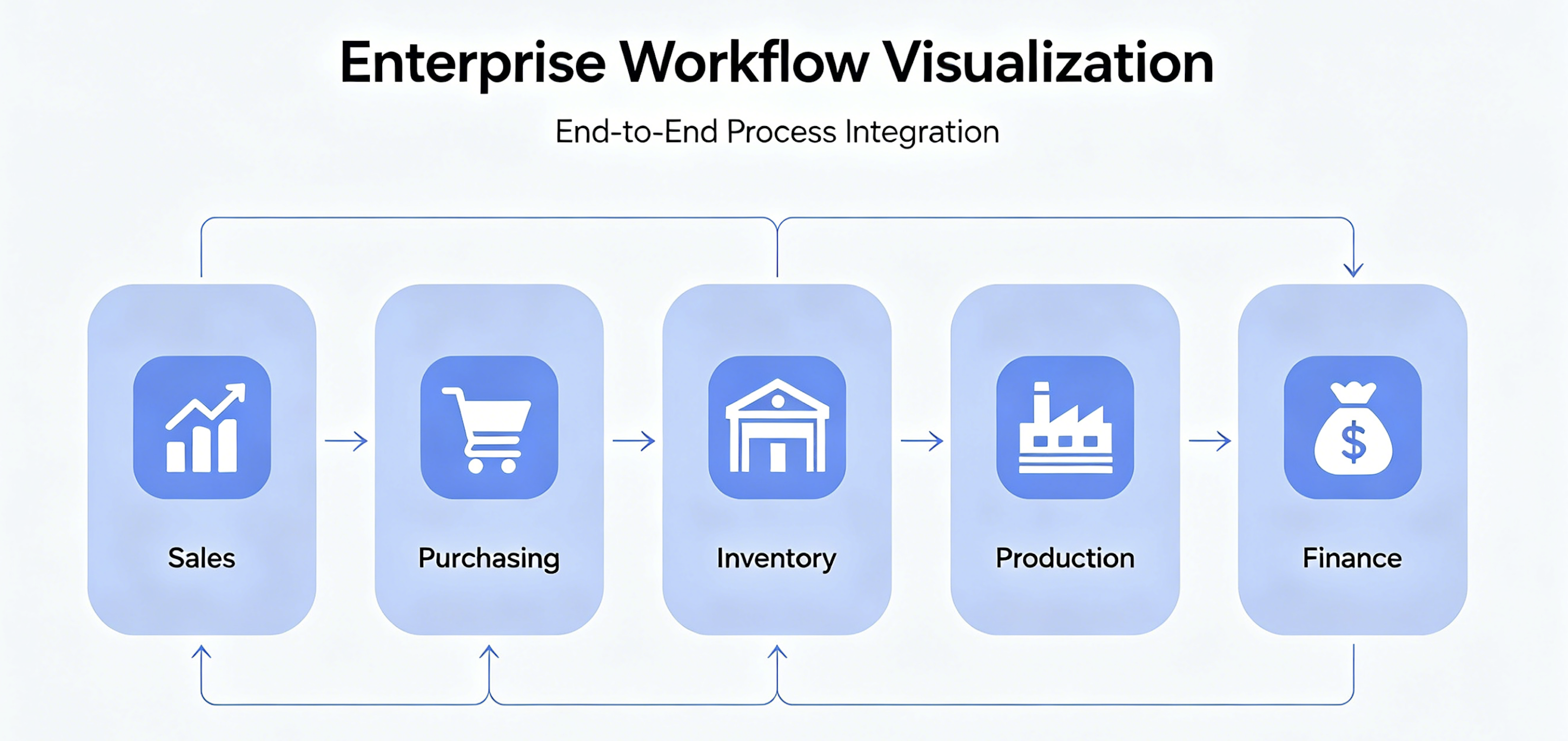
Connection Matters More Than More Features
Many companies keep adding software, yet their workflows become more fragmented. One system manages customers, another manages inventory, another manages finance, and another manages projects. Each tool solves a local problem, but the whole operation lacks a shared context.
The fresh value of ERP does not come from adding more features. It comes from rebuilding connection. A truly effective ERP allows data to move naturally, workflows to continue across departments, and key actions to be understood by every relevant team.
When connection quality improves, the business no longer sees scattered data points. It sees a complete operating chain.
Configurable Workflows Create More Room to Grow
ERP has always emphasized standardization. Standardization matters because it reduces confusion and improves consistency.
But when markets, organizations, and customer needs keep changing, overly fixed workflows can slow the business down.
Industry Software’s ERP is better understood as an adaptable operating framework. Organizations can select modules based on business stage, configure workflows based on team collaboration, and adjust data views based on management priorities. ERP then becomes less of a one-time system launch and more of a software foundation that can keep evolving.
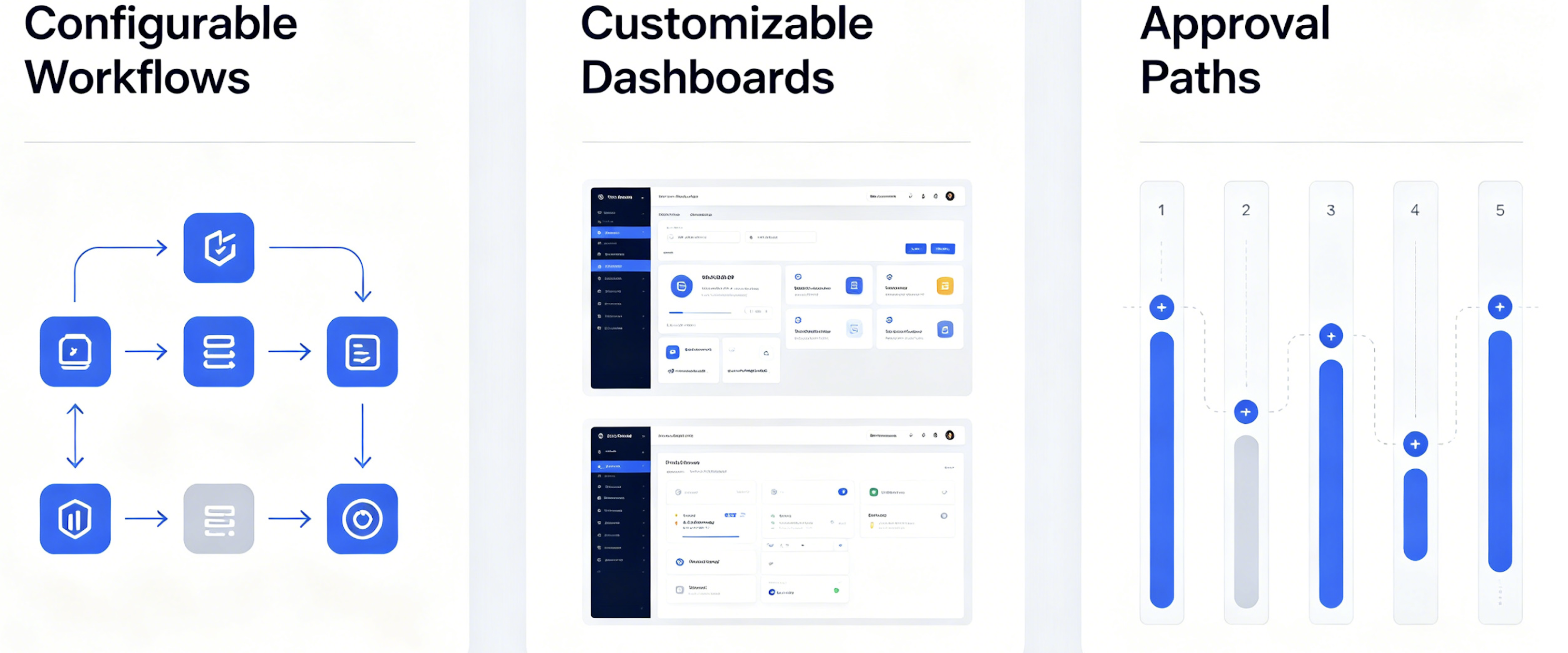
True Visibility Means Seeing Operational State
Data tells a company what happened. State tells a company where work is blocked, where risk is rising, and where action is needed. The difference is important.
A delayed order is not only a delivery issue. It may affect purchasing, production, customer communication, cash flow, and future planning. Modern ERP should reveal these relationships so managers can respond before small issues become larger problems.
When a company moves from report-driven management to state-driven management, it stops only reviewing the past and starts actively adjusting the present.
The Future of ERP Is an Operating Environment
The future of ERP is not a larger system. It is a clearer operating environment.
In this environment, processes do not depend on personal memory, collaboration does not depend on scattered messages, and decisions do not depend on delayed reports. Teams work from the same business context, and management evaluates performance through the same operating view.
This is why ERP deserves fresh thinking. It is not just software for efficiency. It is the foundation for stable, transparent, and scalable operations.