In the modern industrial economy, a sale is not truly a sale until the cash resides in your bank account. Yet, for many enterprises, the journey from invoice issuance to final reconciliation remains a dark corridor of manual spreadsheets and fragmented data.
Accounts Receivable (AR) management has evolved from a simple bookkeeping task into a mission critical component of corporate strategy. In an era of fluctuating interest rates and global supply chain disruptions, liquidity is the ultimate competitive advantage. To master this, businesses need more than just a ledger; they need a sophisticated financial command center that provides real time intelligence, error proof transaction recording, and automated reporting.
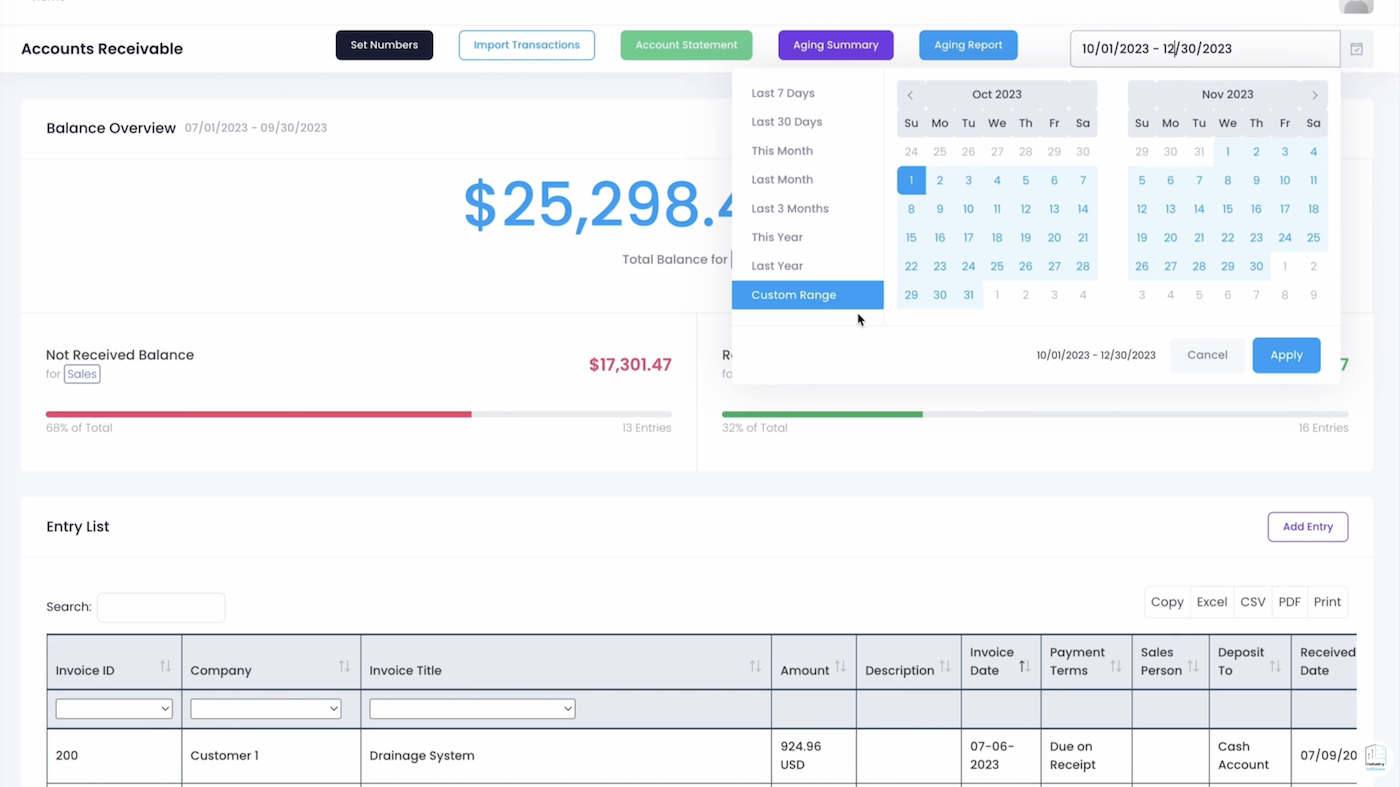 Figure 1: The Accounts Receivable Dashboard serves as the "single source of truth" for the entire finance department, offering a comprehensive overview of liquidity and collection efficiency.
Section I: The Anatomy of Financial Liquidity
At the heart of our platform is the Balance Overview, a powerful visualization of the company's immediate financial health. Many organizations suffer from "invisible capital", money that is owed but not tracked effectively, leading to missed investment opportunities and cash flow crunches.
As we see in Figure 1, the dashboard instantly quantifies this risk. With a total balance of $25,298.44 USD, the system provides a dual-axis view of performance. The "Not Received Balance" of $17,301.47 represents the current risk exposure. By displaying this as a red progress bar (68% of total), the system acts as an early warning signal, urging finance teams to initiate collection protocols before debts age into delinquency.
Conversely, the "Received Balance" of $7,996.97 (32%) represents realized liquidity, funds available for payroll, R&D, or debt service. This real time segmentation allows executives to calculate their Cash Conversion Cycle (CCC) with surgical precision, moving away from month end surprises toward continuous financial awareness.
Section II: Time-Series Analysis and Forecasting
Static reports are the enemy of modern finance. To truly understand collection patterns, one must analyze data over time. Our system introduces a Sophisticated Date Selection Architecture that allows users to pivot between historical data and current snapshots effortlessly.
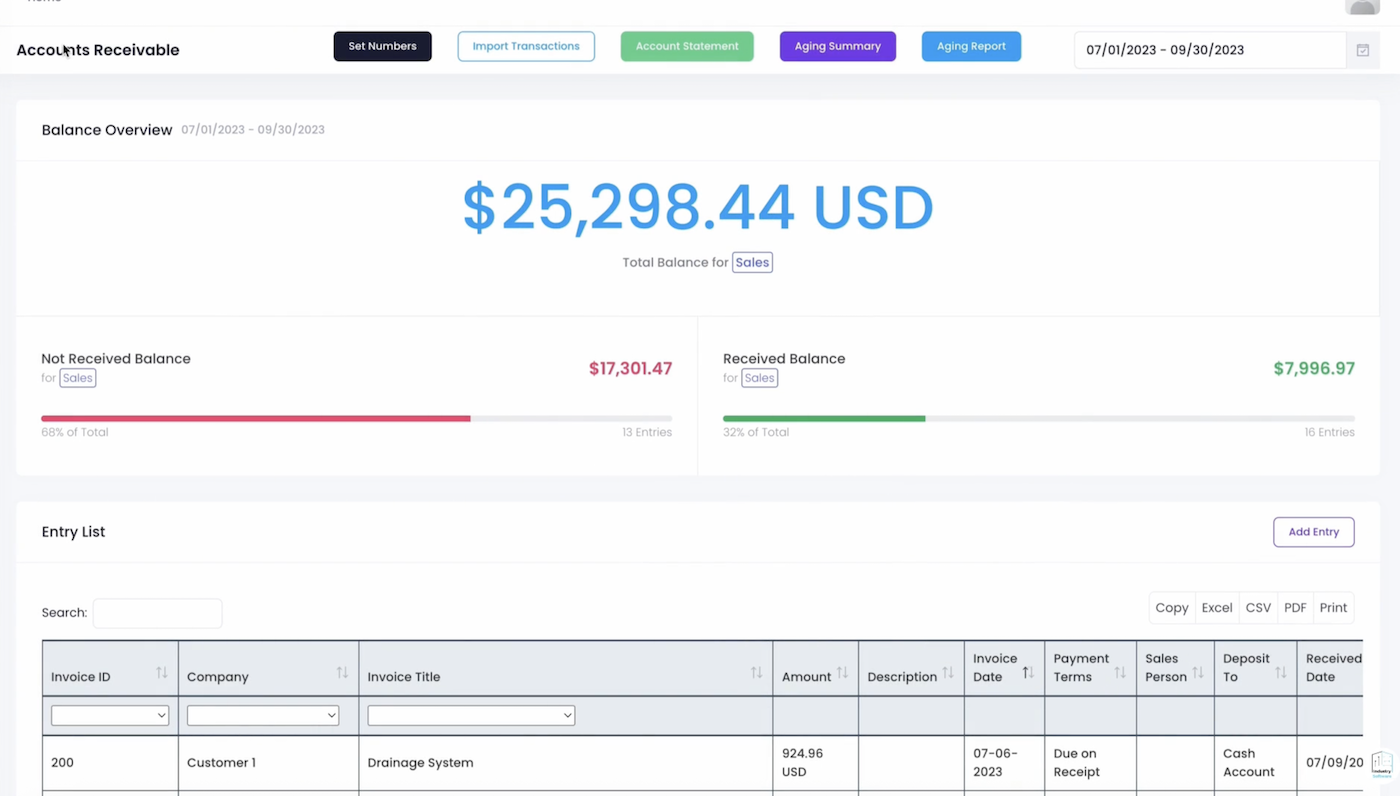 Figure 2: The dynamic calendar interface allows finance professionals to isolate specific periods, such as fiscal quarters or holiday seasons, to uncover hidden payment trends.
By isolating a custom range, such as the October 1st to December 30th window shown in Figure 2, managers can identify seasonal variances. Does a specific client consistently pay late during their own peak production months? Does the Days Sales Outstanding (DSO) spike at year end?
With presets for "This Month," "Last 3 Months," and "Last Year," the platform enables trend analysis that was previously buried in complex SQL queries or manual VLOOKUPs. This data driven approach allows for better Cash Flow Forecasting, enabling the business to plan large capital expenditures with confidence, knowing exactly when expected receivables will hit the accounts.
Section III: Operational Excellence in Transaction Entry
Financial integrity begins at the moment of entry. A significant percentage of payment delays are caused by administrative errors, incorrect account mapping, missing PO numbers, or vague descriptions. Our Intelligent Entry Modal is engineered to eliminate these friction points.
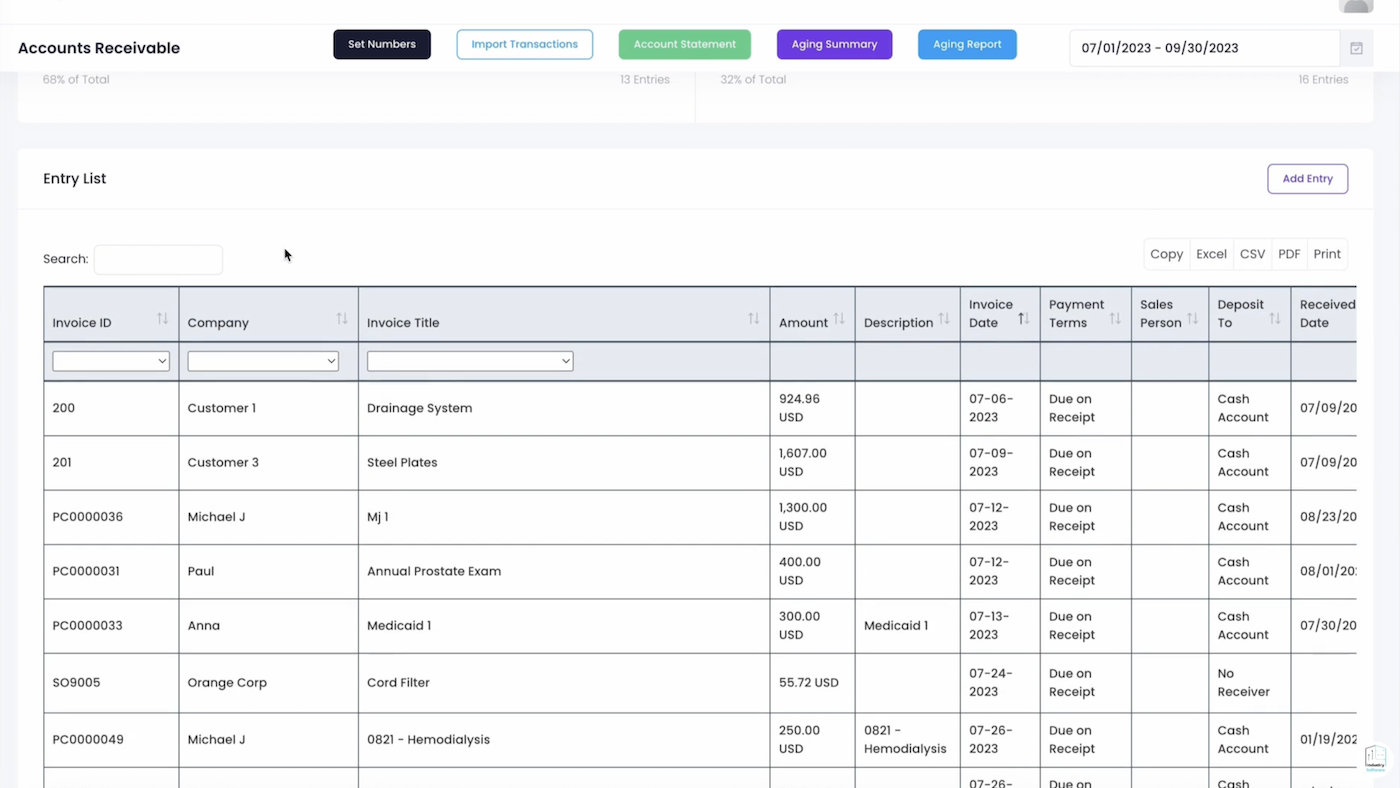 Figure 3: The Add Entry interface enforces data integrity, ensuring every invoice is linked to a customer, a specific sales representative, and a verified inventory item.
The Add Entry workflow (Figure 3) is a masterclass in structured data. By forcing the selection of a specific Customer and Credit/Debit Account, the system ensures that every transaction is GAAP compliant from the start.
Inventory-Linked Billing
Perhaps the most transformative feature is the "Sold Inventory/Goods" integration. Instead of typing manual descriptions, users pull items directly from the central inventory database. This creates a perfect audit trail:
- Stock Synchronization: Selling an item automatically updates inventory levels in real time.
- Pricing Consistency: Unit prices are pulled from the master list, preventing unauthorized discounting.
- Revenue Recognition: Income is automatically mapped to the correct cost center based on the item type.
Section IV: The Digital Ledger as a Strategic Asset
The Entry List is where the daily work of the finance team meets the transparency requirements of auditors and stakeholders. It is a living document that captures the history of every commercial relationship.
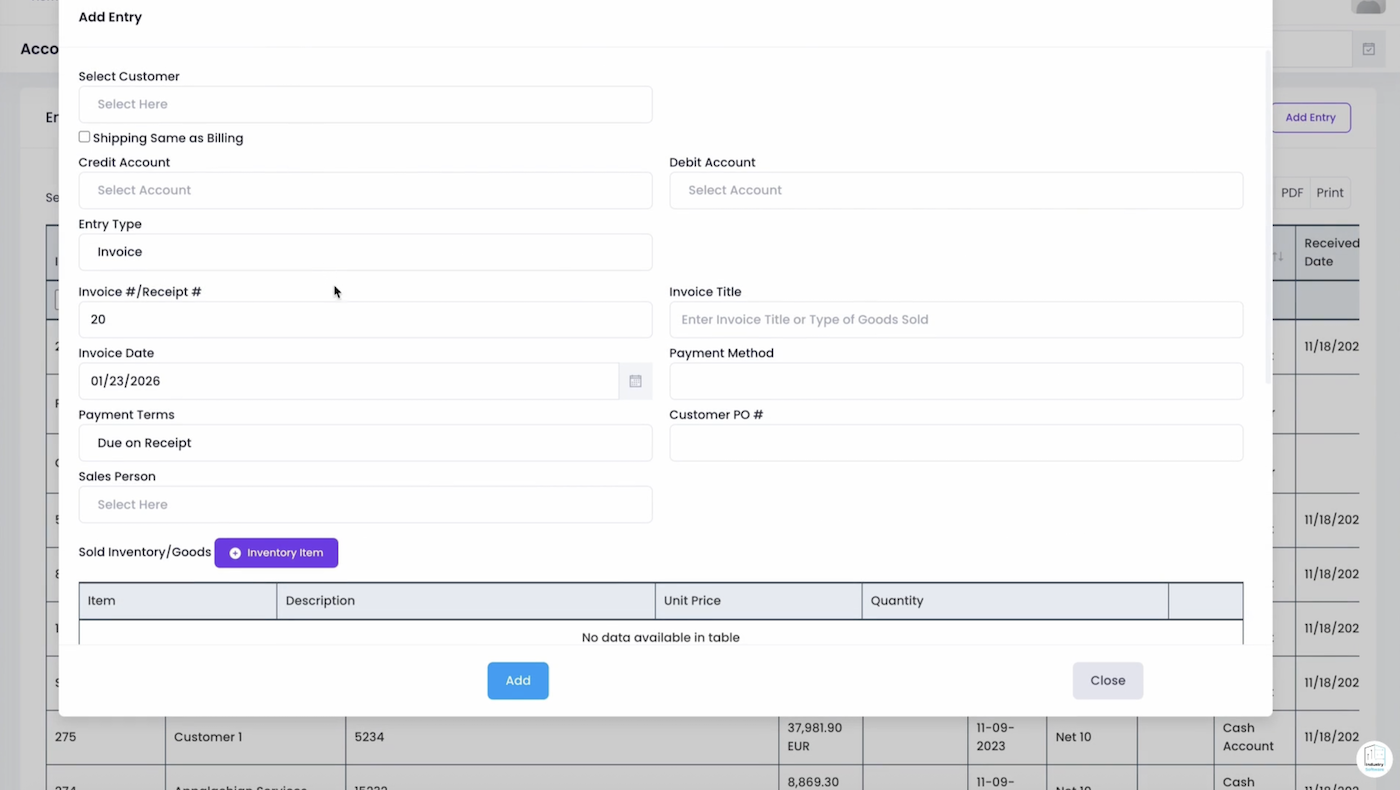 Figure 4: The unified ledger provides a granular view of every transaction, supporting multi level searching and instant reporting.
In Figure 4, we see a diverse range of activities, from Customer 1's "Drainage System" (Invoice 200) to Customer 3's "Steel Plates" (Invoice 201). Each entry is enriched with metadata: the Sales Person responsible, the Payment Terms (e.g., "Due on Receipt"), and the specific bank account (e.g., "Cash Account") where funds are deposited.
This level of detail is invaluable for Account Reconciliation. When a bank statement shows a deposit of $924.96, the accountant can instantly find Invoice 200 and mark it as "Received" with a single click, maintaining a pristine set of books.
Advanced Collection Tools
To manage overdue accounts, the platform offers three critical reporting tools located at the top of the interface:
A high level view of risk, grouping outstanding invoices by age (0-30, 31-60, 61-90, and 90+ days). This is the primary tool for prioritizing collection calls.
A detailed, line by line breakdown of every overdue invoice, including customer contact details and payment history. Essential for the collection team's daily workflow.
Conclusion: The Future of Agentic Finance
As we look toward the horizon, Accounts Receivable is moving toward an "Agentic" model. Imagine a system that not only tracks that Customer 1 is late but also automatically sends a personalized follow up email, attaches the missing invoice, and offers a secure payment link, all without human intervention.
By adopting the tools and methodologies described in this guide, from visual dashboards to inventory linked billing, enterprises can safeguard their most precious resource: cash. In the competitive landscape of 2025 and beyond, the companies that master their AR will be the ones with the freedom to invest, the power to scale, and the resilience to weather any economic storm.